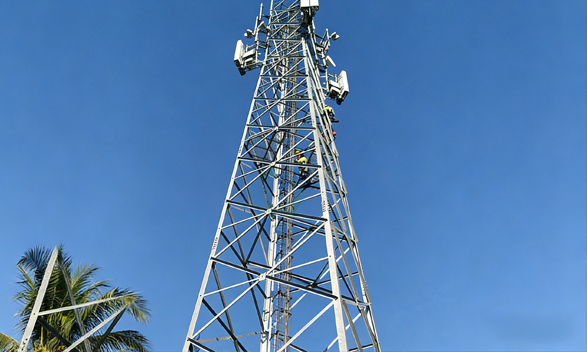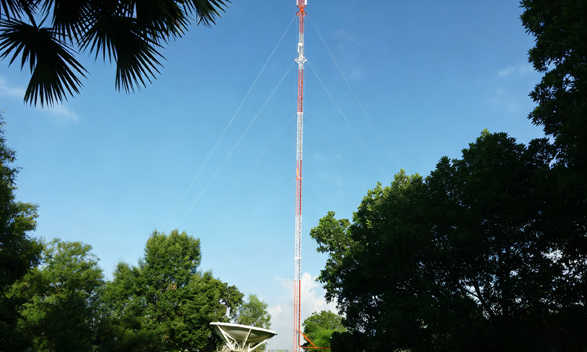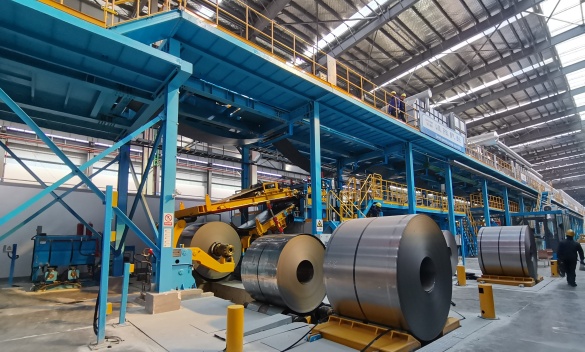


Power transmission tower is a tall steel structure facility used to support high-voltage transmission lines in the power system. Its main function is to transmit electrical energy output from power plants or substations to electricity-consuming areas through transmission lines. It can be divided into straight-line towers, tension towers, angle towers and other types according to purposes. The height is usually 20-80 meters (high-voltage transmission towers) or 80-150 meters (ultra-high-voltage transmission towers). Its structure takes steel components such as "angle steel, channel steel, steel pipes" as the core, and forms a frame system through bolt connection and assembly. It needs to be exposed to the outdoor natural environment for a long time (such as mountainous areas, plains, coastal areas, high-altitude areas), bearing wind load, snow load, ice coating load and seismic action. At the same time, it faces corrosion threats from media such as air, moisture and salt. Therefore, it has strict requirements on the "structural strength" and "long-term anti-corrosion performance" of steel components.

+966503803733