
+966503803733


+966503803733


Core Service Scope
Customizes integrated solutions (e.g., color matching of curtain wall modules, layout optimization of roof modules) based on building style, energy consumption needs and local solar radiation conditions. Strictly complies with building and PV industry standards to ensure compatibility between functionality and safety.
Provides BIPV modules as required, including double-glass (for curtain walls), colored (for decorative facades) and lightweight (for old roof renovation) types, along with supporting dedicated brackets, waterproof connectors and inverters. All products undergo rigorous testing, featuring strong weather resistance and power generation stability.
Constructed by teams with dual qualifications in architecture and PV. Curtain wall BIPV is installed synchronously with the building envelope to avoid secondary damage, while roof BIPV adopts enhanced waterproof technology to ensure perfect integration of modules with the building in terms of structure and appearance.
Real-time tracks power generation status, equipment parameters and fault warnings through a digital platform. Regularly conducts tasks such as module cleaning and connector maintenance, and provides optimization services including angle adjustment and software upgrading to ensure long-term efficient operation of the system.
Core Product & Service Advantages
Modules can be customized in color, size and texture to adapt to various architectural styles. They replace traditional decorative materials, reducing decoration costs.
Activates idle building spaces (roofs, curtain walls, etc.), solves the land occupation problem of independent PV power plants, and serves as an efficient development method for urban distributed clean energy.
High-quality modules (especially double-glass type) have both thermal insulation and sound insulation effects, reducing building energy consumption for heating and cooling. Special waterproof design ensures the building's waterproof performance and improves the durability of the building envelope.
Generated electricity can meet the building's self-use needs, reducing reliance on the power grid and electricity expenses. Surplus electricity can be connected to the grid (subject to policies) for additional income. Meanwhile, it reduces emissions of carbon, sulfur and other pollutants, contributing to the achievement of carbon reduction goals.
Typical Application Scenarios
High-rise office buildings and shopping malls adopt BIPV curtain wall and roof systems. Double-glass colored modules balance high-end appearance and power generation functions, typically meeting 10%-20% of the building's annual electricity demand.
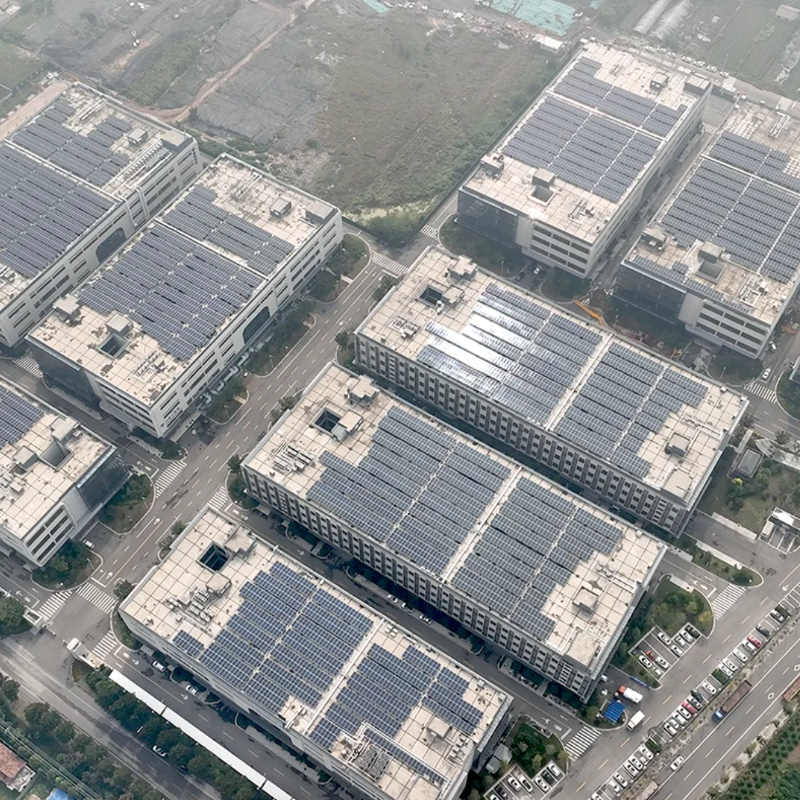
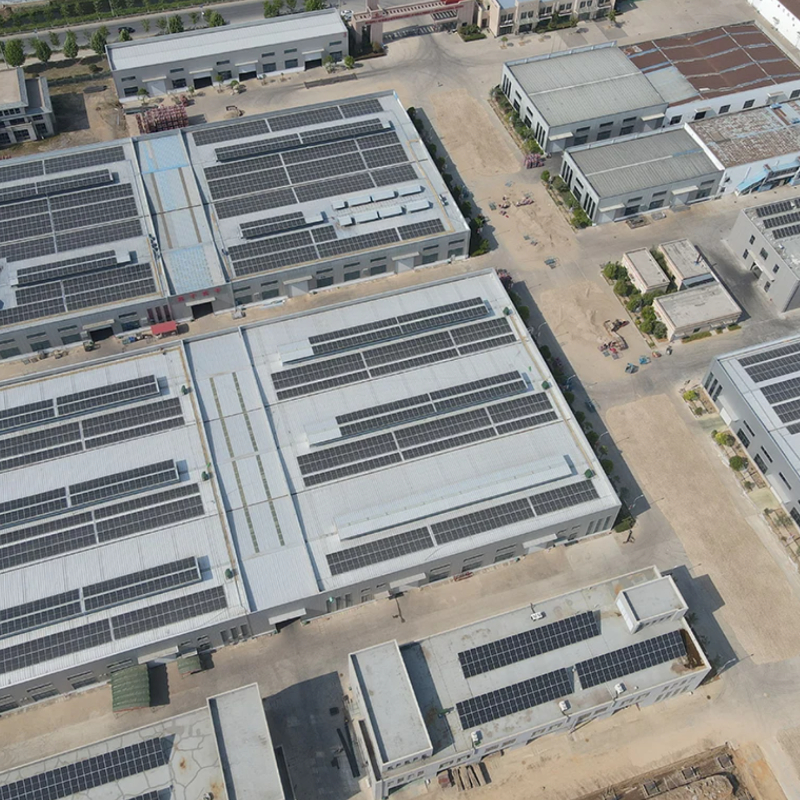
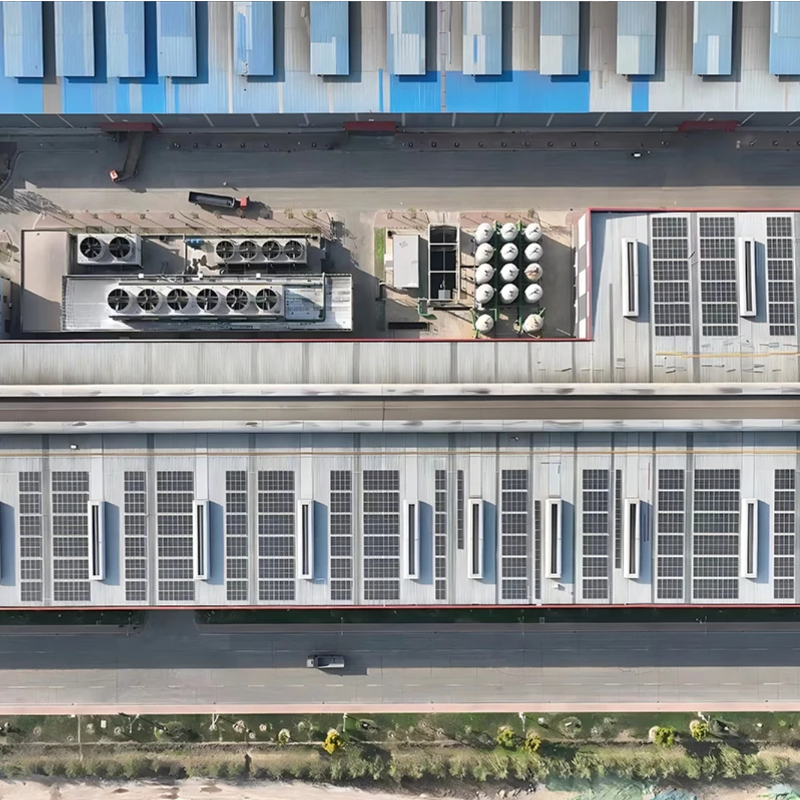
Lightweight BIPV roof systems are installed on large-span industrial plants, adapting to load-bearing requirements and high-humidity/high-temperature environments. The generated electricity is used for production, while also improving the roof's thermal insulation performance and reducing the energy consumption of plant cooling systems.
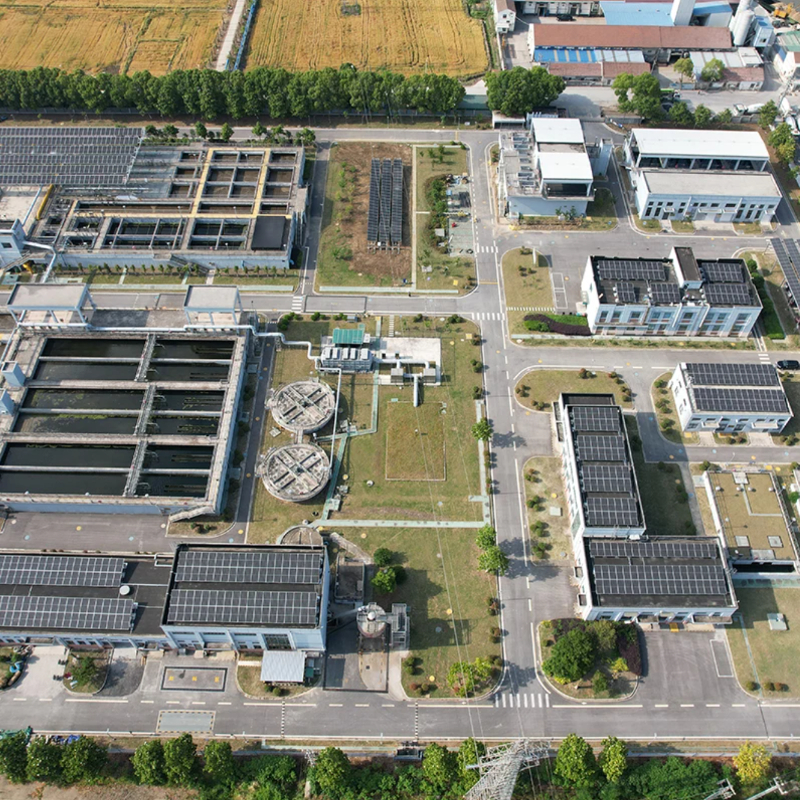
Schools, hospitals and other public buildings adopt BIPV canopies (for parking lot shading and power generation) and decorative facades (integrating cultural elements), enhancing the building's environmental and cultural value.
Villas and residential communities are equipped with BIPV roof and balcony railing systems, featuring compact and aesthetic designs. They meet household electricity needs (e.g., lighting, home appliances) and realize "self-generation and self-use" of residential energy.
Ready to start your project with METAVAST?
Contact our service team today for professional support and customized solutions for your business.